
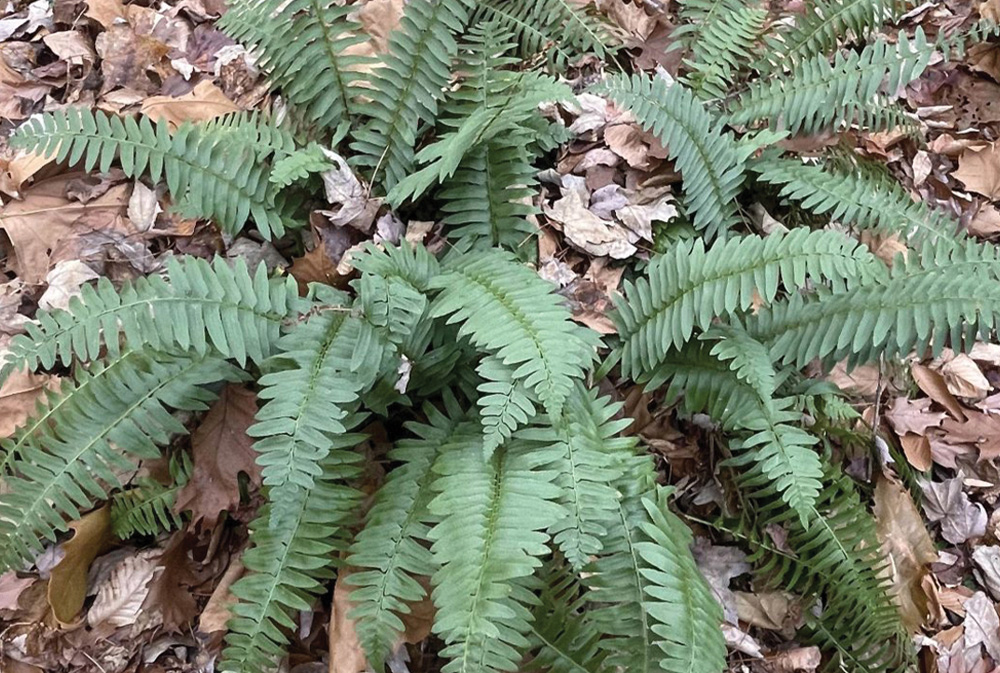
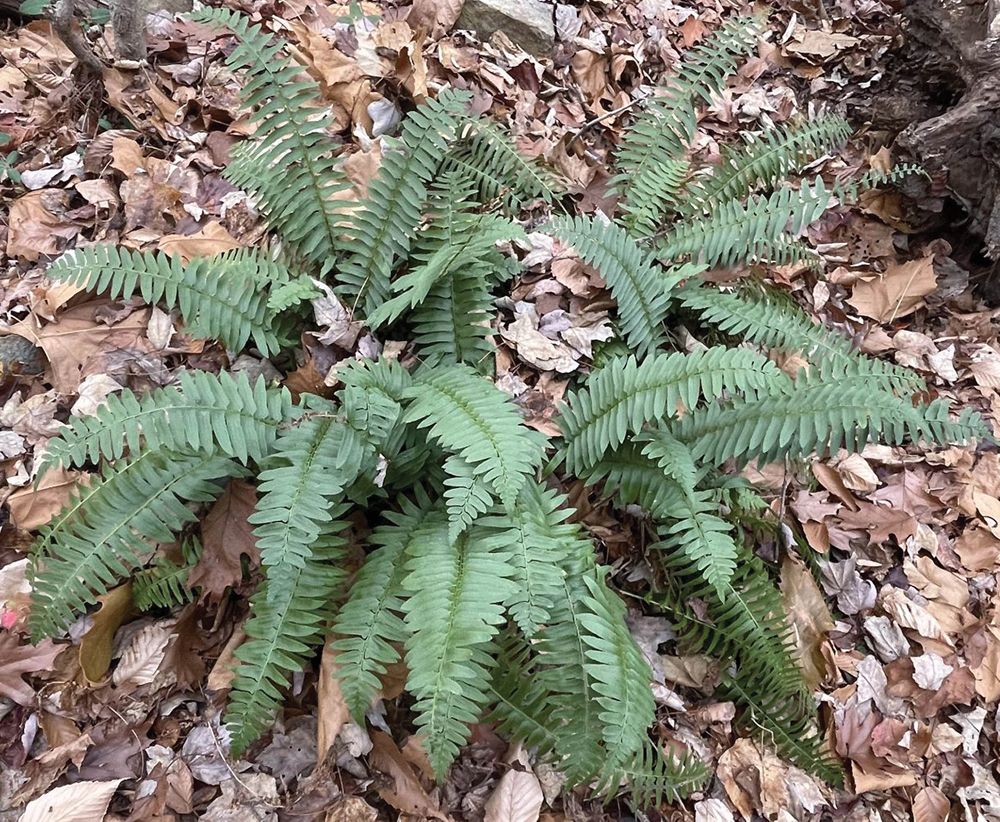

Polystichum acrostichoides
Fern-ChristmasMore tolerant of drier soils than many ferns, this tidy native can be found throughout the eastern half of North America. Leathery, dark green, lance-shaped, evergreen fronds form a solitary clump; does not spread or naturalize. Thrives on wooded slopes; excellent for erosion control and is juglone-tolerant.
Plant Details
- Zone: 3 - 9
- Height: 12-24"
- Spread: 12-18"
- Exposure: Full Shade, Part Shade
- Soil Moisture: Low Water Needs, Moderate Water Needs
- Drought tolerant: Yes, Once Established
- Bloom time: Grown for Foliage
- Foliage Color: Green Shades
- Flower Color: N/A
- Fragrant: No
- Good Cut Flower: Yes
- Native: Native Species
- Deer resistant: Yes
- Rabbit resistant: Yes
- Bee-friendly: No
- Attracts butterflies: No
- Attracts hummingbirds: No
- Groundcover: No
- Roy Diblik Favorite: No
Plant Details
- Zone: 3 - 9
- Height: 12-24"
- Spread: 12-18"
- Exposure: Full Shade, Part Shade
- Soil Moisture: Low Water Needs, Moderate Water Needs
- Drought tolerant: Yes, Once Established
- Bloom time: Grown for Foliage
- Foliage Color: Green Shades
- Flower Color: N/A
- Fragrant: No
- Good Cut Flower: Yes
- Native: Native Species
- Bee-friendly: No
- Deer resistant: Yes
- Rabbit resistant: Yes
- Attracts butterflies: No
- Attracts hummingbirds: No
- Groundcover: No
- Roy Diblik Favorite: No
Grower Information
Like their native environment, ferns prefer humus-rich, well-drained soil that remains consistently moist but not wet in production. Higher humidity levels are also beneficial. Do not let the crop dry down, which will cause fronds to brown and become stunted. Overwatering can lead to disease, algae and poor growth. Avoid stressing the crop.
- PowerPlug Size(s): 32s
- Optimal Planting Time: Spring
- Retail Sales Window: Fall, Spring, Summer
- Moisture in Production: Average, Consistent, Low
- Requires Shade in Production: Yes
- Vernalization Required for Bloom: No
- Vernalization Beneficial: No