

Matteuccia struthiopteris
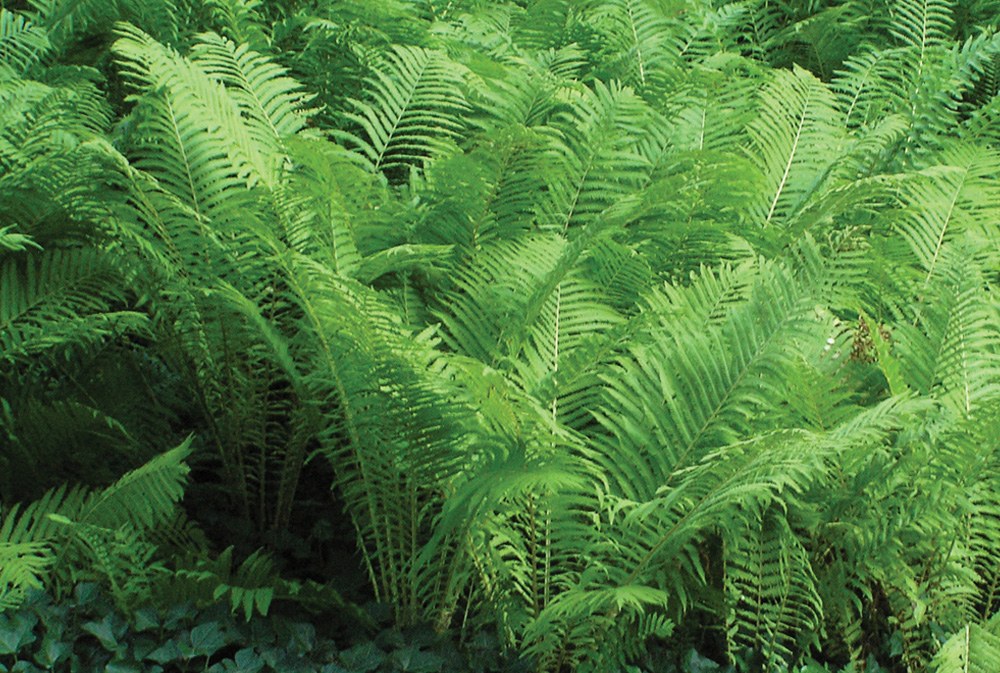
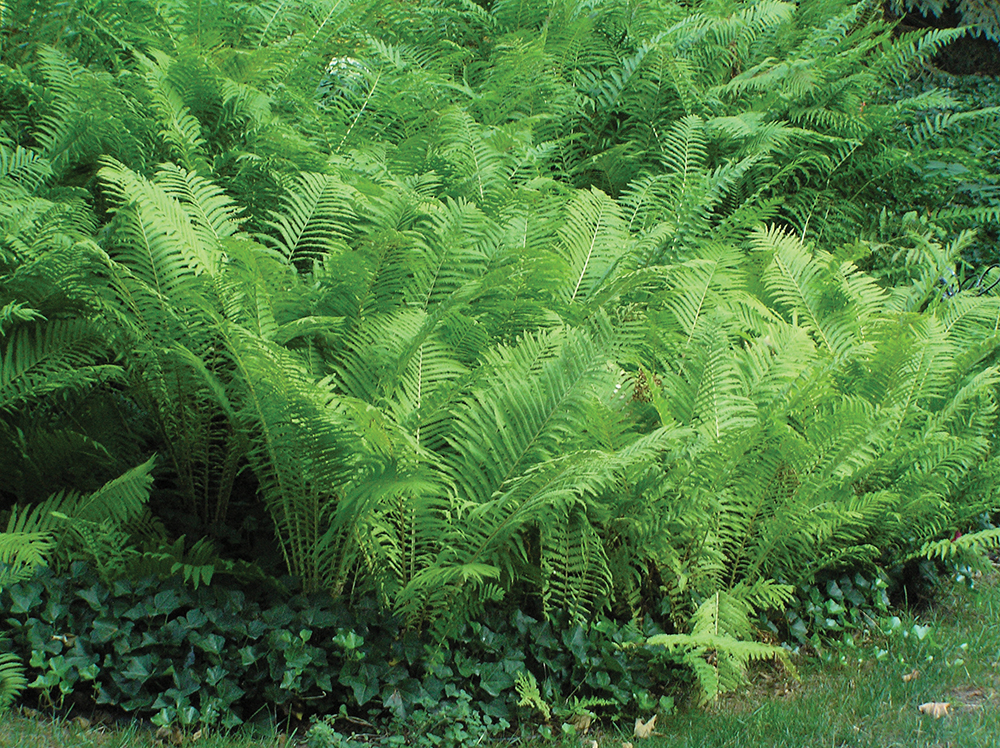
Fern-OstrichUseful as a tall groundcover and for erosion control, this native fern spreads via rhizomes and spores to form dense colonies. Produces two types of fronds: sterile, green, tall, feathery fronds and shorter, brown, fertile fronds that remain through winter. Produces attractive fiddleheads in spring; golden yellow in fall.
Plant Details
- Zone: 2 - 7
- Height: 2-5'
- Spread: 1.5-2'
- Exposure: Full Shade, Part Shade
- Soil Moisture: Bog, High Water Needs, Moderate Water Needs
- Drought tolerant: No
- Bloom time: Grown for Foliage
- Foliage Color: Green Shades
- Flower Color: N/A
- Fragrant: No
- Good Cut Flower: Yes
- Native: Native Species
- Deer resistant: Yes
- Rabbit resistant: Yes
- Bee-friendly: No
- Attracts butterflies: No
- Attracts hummingbirds: No
- Groundcover: Yes
- Roy Diblik Favorite: No
Plant Details
- Zone: 2 - 7
- Height: 2-5'
- Spread: 1.5-2'
- Exposure: Full Shade, Part Shade
- Soil Moisture: Bog, High Water Needs, Moderate Water Needs
- Drought tolerant: No
- Bloom time: Grown for Foliage
- Foliage Color: Green Shades
- Flower Color: N/A
- Fragrant: No
- Good Cut Flower: Yes
- Native: Native Species
- Bee-friendly: No
- Deer resistant: Yes
- Rabbit resistant: Yes
- Attracts butterflies: No
- Attracts hummingbirds: No
- Groundcover: Yes
- Roy Diblik Favorite: No
Grower Information
Like their native environment, ferns prefer humus-rich, well-drained soil that remains consistently moist but not wet in production. Higher humidity levels are also beneficial. Do not let the crop dry down, which will cause fronds to brown and become stunted. Overwatering can lead to disease, algae and poor growth. Avoid stressing the crop.
- PowerPlug Size(s): 32s
- Optimal Planting Time: Spring
- Retail Sales Window: Fall, Spring, Summer
- Moisture in Production: Average, Consistent, Low
- Requires Shade in Production: Yes
- Vernalization Required for Bloom: No
- Vernalization Beneficial: No