
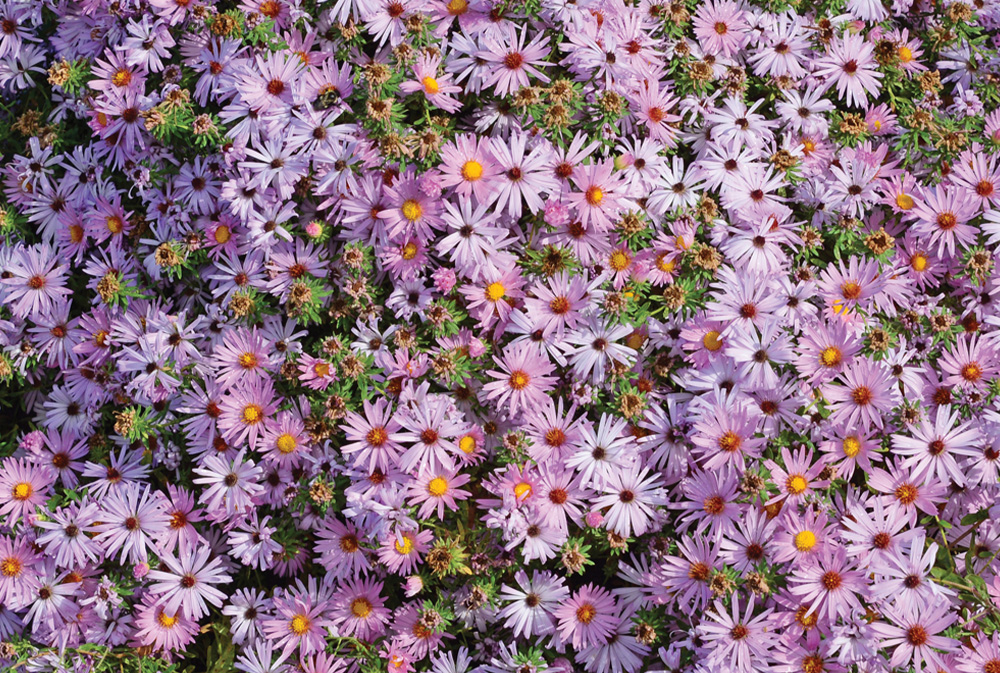

Aster oblongifolius 'Cotton Candy' PP34580 (Syn. Symphyotrichum oblongifolium)
(Syn. Symphyotrichum oblongifolium)
Aster-Aromatic
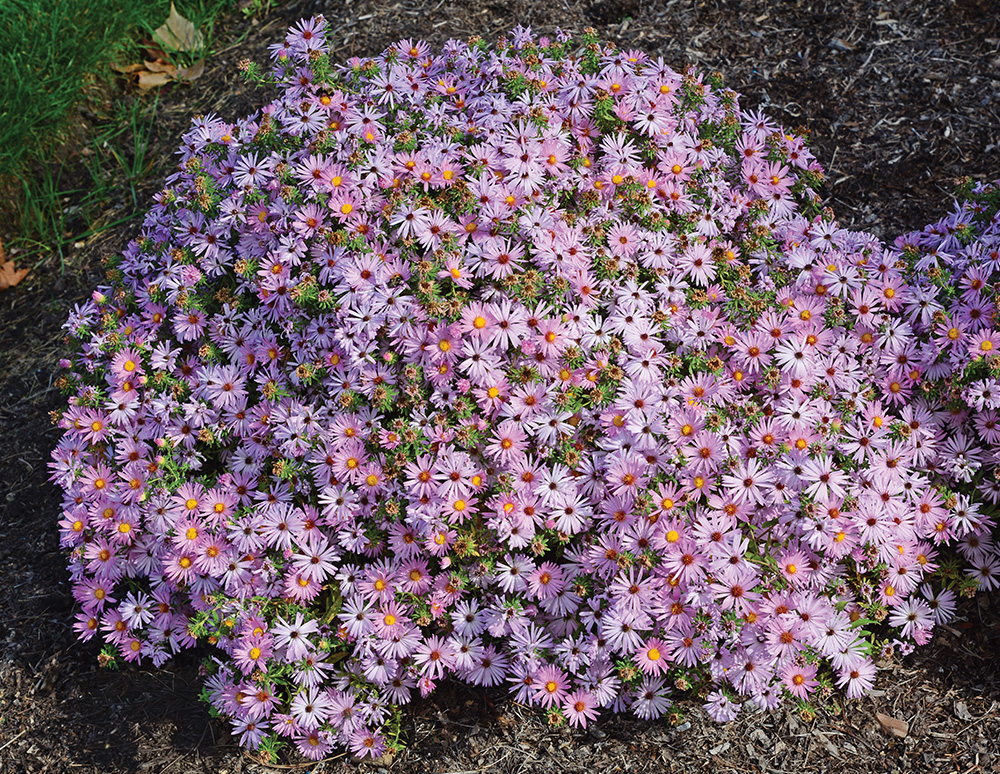
Aster oblongifolius 'Cotton Candy' PP34580 (Syn. Symphyotrichum oblongifolium)
(Syn. Symphyotrichum oblongifolium)
Aster-Aromatic
Forming a very broad mound of rust and powdery mildew resistant foliage, this showy aster is perfect for mass plantings and filling large garden beds. Blossoms open cotton candy pink then lighten to pale pink, lending a two-tone appearance. Breeder: Chicago Botanic Garden. Introduced by: Plants Nouveau.
Plant Details
- Zone: 4 - 8
- Height: 2-3'
- Spread: 4-5'
- Exposure: Full Sun
- Soil Moisture: Low Water Needs, Moderate Water Needs
- Drought tolerant: Yes, Once Established
- Bloom time: Early Fall, Mid-Fall
- Foliage Color: Green Shades
- Flower Color: Pink Shades
- Fragrant: Yes
- Good Cut Flower: Yes
- Native: Nativar
- Deer resistant: Yes
- Rabbit resistant: No
- Bee-friendly: Yes
- Attracts butterflies: Yes
- Attracts hummingbirds: No
- Groundcover: No
- Roy Diblik Favorite: No
Plant Details
- Zone: 4 - 8
- Height: 2-3'
- Spread: 4-5'
- Exposure: Full Sun
- Soil Moisture: Low Water Needs, Moderate Water Needs
- Drought tolerant: Yes, Once Established
- Bloom time: Early Fall, Mid-Fall
- Foliage Color: Green Shades
- Flower Color: Pink Shades
- Fragrant: Yes
- Good Cut Flower: Yes
- Native: Nativar
- Bee-friendly: Yes
- Deer resistant: Yes
- Rabbit resistant: No
- Attracts butterflies: Yes
- Attracts hummingbirds: No
- Groundcover: No
- Roy Diblik Favorite: No
Grower Information
Plant your Aster crop in spring for late summer and fall sales opportunities along with Rudbeckia, Eupatorium, Vernonia and fall grasses. Asters are heavy feeders, but it is best to discontinue feeding once they begin to bloom. Pinching is beneficial to promote lateral branching.
- PowerPlug Size(s): 32s
- Optimal Planting Time: Spring
- Retail Sales Window: Fall, Summer
- Moisture in Production: Average
- Requires Shade in Production: No
- Vernalization Required for Bloom: No
- Vernalization Beneficial: Yes